How Tyre Pressure Affects Your Motorcycle's Fuel Economy
If your motorcycle has been drinking more fuel than usual lately, the culprit might not be your engine at all — it could be sitting right under you. Tyre pressure is one of the most overlooked factors in fuel efficiency, yet it's also one of the easiest to fix. With fluctuating temperatures and rough terrain, riders using tyres in Sri Lanka face conditions that make pressure checks even more important. Here's how it actually works, and what it means for your wallet.
Why Tyre Pressure Matters for Fuel Consumption
Every time your tyres roll, they flex slightly against the road. This flex creates friction, known as rolling resistance, and your engine has to burn fuel to overcome it. The lower your tyre pressure, the more the tyre deforms under load, and the more rolling resistance it creates. That means your engine works harder just to keep you moving at the same speed — burning more fuel to cover the same distance.
Under-Inflated Tyres: The Silent Fuel Drain
Riding on under-inflated tyres is one of the common causes of reduced fuel efficiency. Even a
small drop below the recommended pressure can increase rolling resistance and may reduce fuel
economy over time. Beyond increased fuel consumption, under-inflation can also cause uneven
tread wear, excessive heat buildup, increased sidewall flexing, and a higher risk of tyre damage
or failure.
So, maintaining the correct tyre pressure can help you save fuel while also supporting better tyre
performance and road safety.
Can Over-Inflated Tyres Help Fuel Economy?
It's tempting to think that pumping tyres up beyond the recommended pressure might improve
mileage further, since a harder tyre flexes less. In practice, over-inflation may reduce rolling
resistance slightly, but it can also reduce the tyre's contact with the road and affect grip, braking
performance, and ride stability.
The potential fuel savings simply aren't worth compromising safety and control. Always follow
the motorcycle manufacturer's recommended tyre pressure rather than over-inflating your tyres.
Finding the Right Pressure for Tyres in Sri Lanka
The manufacturer's recommended tyre pressure is usually printed on a side wall of the tyre and it's calibrated to balance grip, comfort, ride quality, and fuel efficiency together. Given the heat and humidity that riders regularly contend with when using rubber tyres in Sri Lanka, checking this figure against your actual pressure is habit worth building early.
Make Pressure Checks a Habit
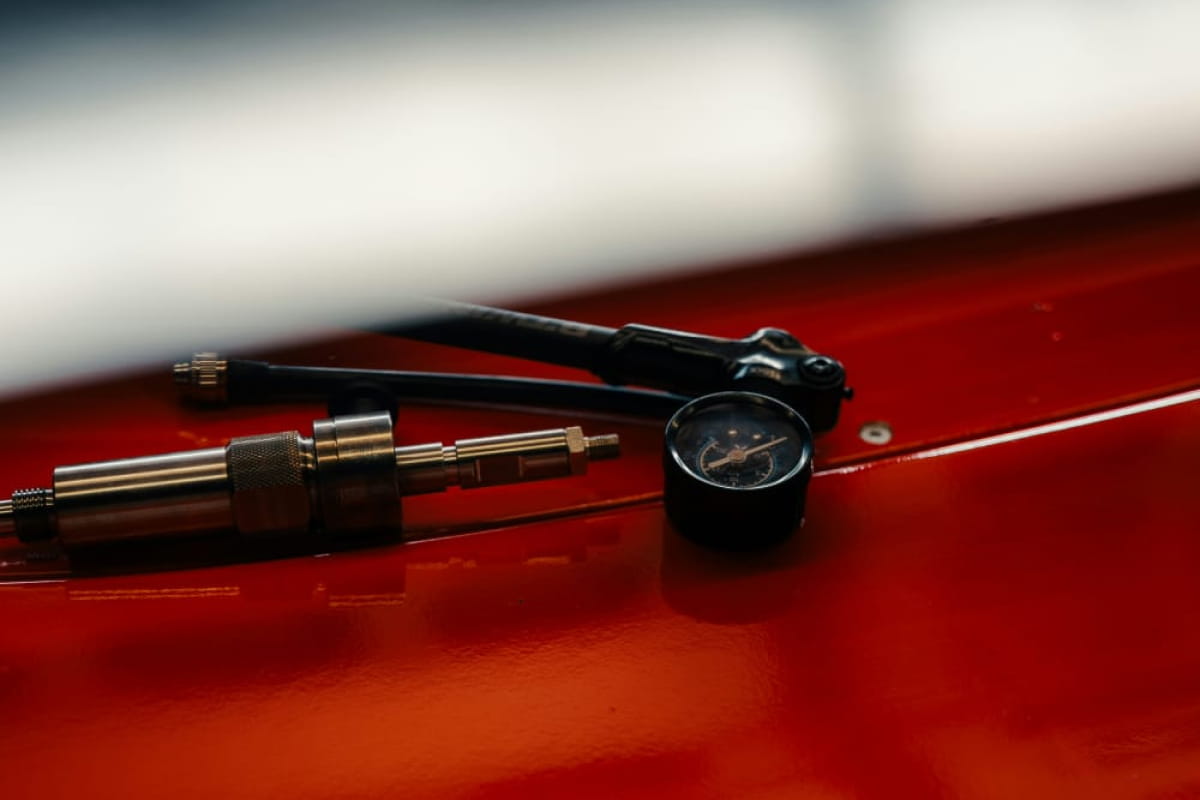
Tyres naturally lose a small amount of air over time, even without a puncture, so pressure should be checked at least once a week and always before a long ride. A simple, inexpensive tyre pressure gauge is one of the best investments you can make as a rider — it takes less than two minutes and can noticeably improve both your fuel economy and your safety on the road.
Keep your ride efficient from the ground up. Explore genuine motorcycle tyres in Sri Lanka built for local roads on dsityreshop.com — with island-wide delivery, a 3-year warranty, and easy installment payments through KOKO, Mintpay, Payzy or credit cards.