Copyright 2026 © DSI Tyres. All rights reserved.
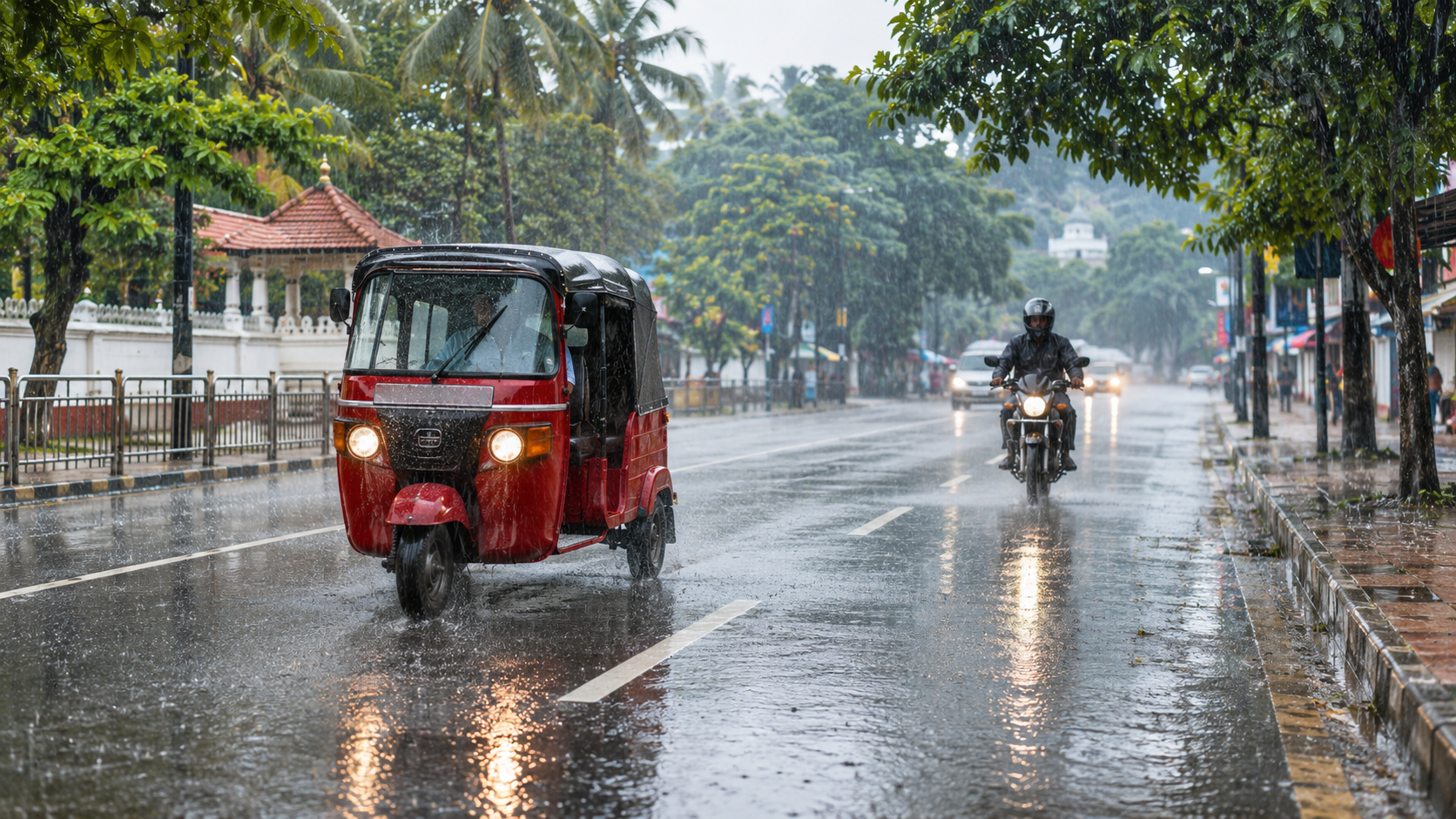
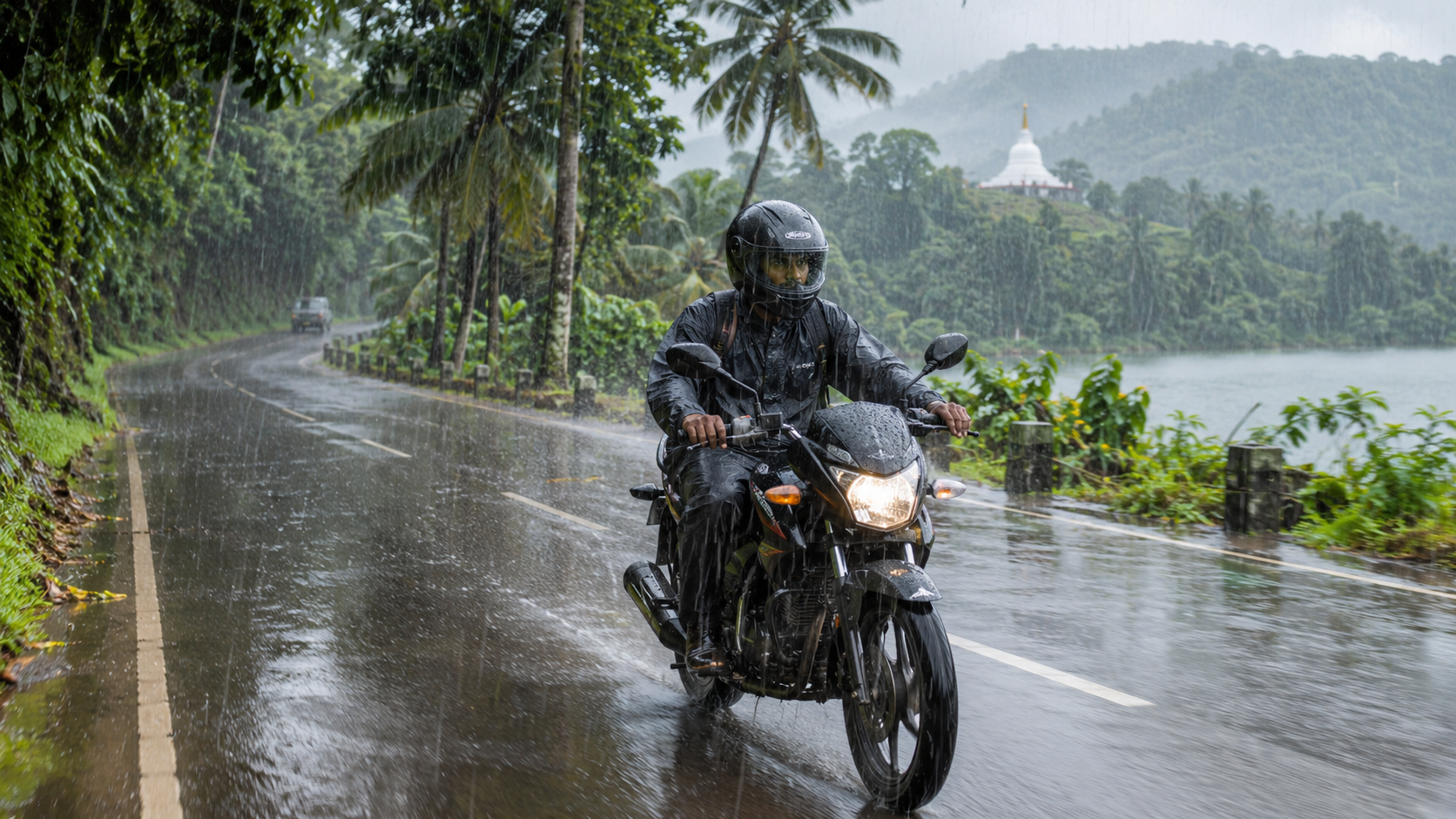
Drivers and riders across Sri Lanka know the moment. The first heavy shower hits, the road turns slick, and your bike or three-wheeler suddenly feels like a different machine. Nothing about the vehicle changed. What changed is the job your tyres have to do: push water out from under themselves, fast, while still holding the road. That's why tread condition and tyre pressure matter so much in the wet. This guide shows you how to pick tyres for rainy season in Sri Lanka, what to look for in motorcycle tyres for wet roads, how to handle tyre pressure in rainy weather, and which quick checks are worth doing before the next downpour.
Because the tyre is the only thing connecting your vehicle to the road, and rain makes that connection harder to keep. On a wet road a tyre has to move water out from beneath itself. The grooves in the tread are what let it do that. They give the water somewhere to escape, so the rubber stays on the road instead of skating over a thin film of water.
Sri Lanka has two main monsoon seasons, the southwest monsoon (roughly May to September) and the northeast monsoon (roughly December to February), and heavy showers can turn up outside them too. For a lot of drivers that adds up to wet roads for a big part of the year.
The tyre gets worse at clearing water. That's the whole story, and it explains why a tyre that feels fine on a dry afternoon can feel nervous in a downpour. Here's what to watch for:
● Shallower grooves have less room to carry water away.
● Uneven wear, such as one side wearing faster than the other, points to a pressure or alignment problem worth checking.
● Bulges, deep cuts or pressure that keeps dropping need a tyre professional, rain or not.
● Wear indicators are your cue. Once the tread reaches them, the tyre is due for replacement.
Four things decide it: tread condition, the right size, no damage, and age. You can check all four in a few minutes, and it's smarter to do it before the heavy rains than in the middle of them.
| What to check | What to look for | Why it matters in the rain |
| Tread | Grooves clearly open, wear indicators not yet reached | Grooves clear water from under the tyre |
| Size | The size your vehicle manufacturer specifies for your make, model, year and variant | A tyre that isn't approved for your vehicle can't be expected to behave as designed |
| Damage | No bulges, deep cuts or recurring air loss | These need a professional's inspection whatever the weather |
| Age | Inside the manufacturer's age guidance | Rubber ages even when the tread still looks deep |
Start with the tread. You want open, well-defined grooves that lead water out from under the tyre. Then match the size printed on the sidewall to what your owner's manual or the vehicle's tyre label says.
● Judge tread depth against the wear indicators, not just by eye.
● Check the front and rear separately, because they rarely wear at the same rate.
● If you're thinking of moving to tubeless, confirm your rim is compatible first (more on that below).
If you want to see what a real tread pattern looks like before you buy, the DSI GEN-X MC69 80/100-17 Tubeless is a motorcycle example, and the DSI Savibala SRI/TW-04 4.00-8 is a three-wheeler example. Comparing the two is a quick way to see how a motorcycle tread and a three-wheeler tread are laid out.
Not for grip. Wet grip comes from the tread, the rubber and the condition of the tyre. What changes is how the tyre holds air. A tube-type tyre keeps its air in a separate inner tube. A tubeless tyre holds air by sealing against a compatible rim.
|
| Tube-type tyre | Tubeless tyre |
| Where the air is held | In a separate inner tube | Inside the tyre, sealed against the rim |
| What it needs | A rim made for tube-type use | A compatible rim |
| What to check before rain | Pressure, tread and sidewalls | Pressure, tread and sidewalls |
Whichever you run, use the tyre and rim combination approved for your vehicle.
Use the pressure on your vehicle's label or in its manual, for the front and the rear tyre, and measure it when the tyres are cold. Manufacturers give one recommended figure, so there's no secret rainy-season setting to chase. Letting air out to "find more grip" in the wet isn't a trick to lean on.
| Condition | What can happen in rainy driving |
| Too high | Less of the tyre touches the road, which can lower wet grip, make braking less effective and give a harsher, less stable ride |
| Too low | The sidewalls flex more, which can affect handling, build up heat and cause uneven wear, especially on frequent or longer rides |
1. Check when the tyres are cold, before a ride or after the vehicle has been parked for a while.
2. Use a reliable pressure gauge on every tyre, the spare included if you carry one.
3. Compare each reading with the label for that tyre. Front and rear can differ.
4. Add or release air to reach the recommended figure, then measure again to confirm.
Do this at least once a week and before any long journey. In heavy monsoon weeks, an extra check costs you almost nothing.
Slow down and give yourself more room. Good tyres help a lot, but they can't make up for braking late on a wet road.
● Reduce your speed before the rain gets heavy, not after.
● Leave more distance from the vehicle ahead.
● Avoid sudden braking and sharp steering.
● Steer around standing water where you can do it safely. You can't see what's under it.
Pull over somewhere safe and look at the tyre. Check the sidewall and the rim for damage, then watch for signs that something's off: the vehicle pulling to one side, a new vibration, or uneven wear. If you notice any of them, get the tyre and wheel checked. Our guide to caring for tyres on Sri Lankan roads covers those checks in more detail.
It depends on how you use the vehicle. This table shows what to put first and where to look.
| Vehicle | Typical use | What to prioritise in the rain | Where to look |
| Motorcycle | Daily riding, work, longer rides | Open tread grooves, correct size, correct pressure | |
| Three-wheeler | Daily transport, short trips, varied roads | Tread condition, correct size, correct pressure, staying inside load limits | |
| Car or van for daily commuting | City and main roads | Tread condition, pressure, alignment and balance checks |
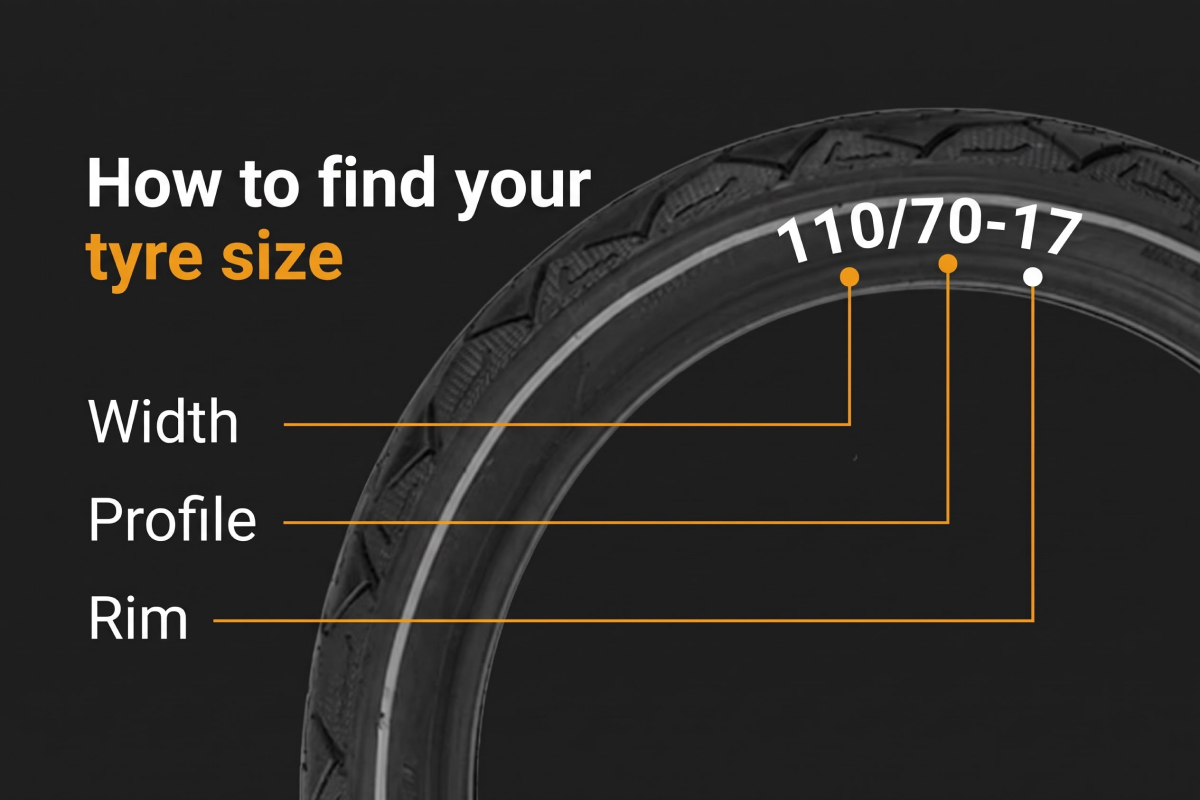
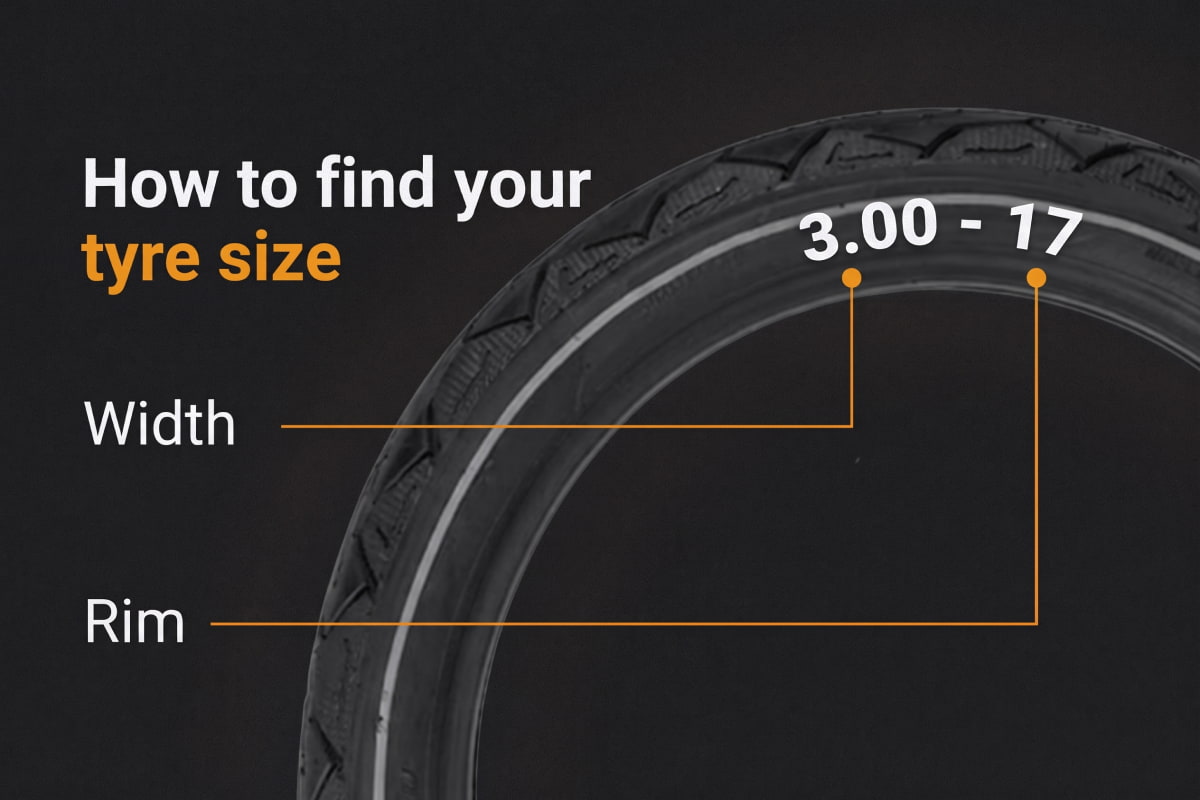
Not sure which size your vehicle takes? The tyre size guide
explains how to read the numbers on your sidewall.